

Portage & Main: Winnipeg’s Iconic Intersection
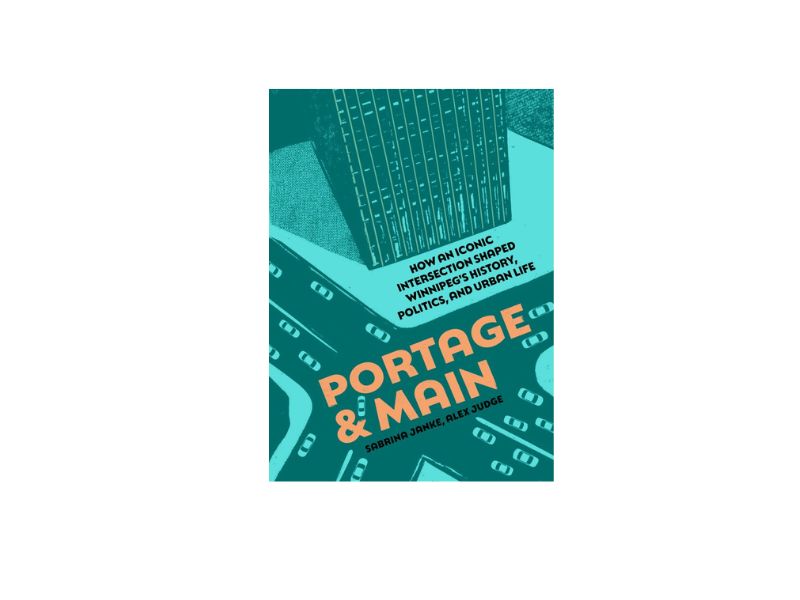
An important intersection in Winnipeg, Manitoba, Canada re-opens to pedestrians and the book Portage & Main: How an Iconic Intersection Shaped Winnipeg’s History, Politics, and Urban Life tells its history
In late June of 2025, the intersection of Portage Avenue and Main Street in the heart of the city of Winnipeg, Manitoba, Canada re-opened to pedestrians after being closed to them for 46 years. Pedestrians had been banned from the intersection in 1979 as part of a 40-year deal the city made with developers. Instead, they were directed through an underground concourse.
“Los Angeles has Hollywood and Vine, New York has Times Square, and Winnipeg has its Portage and Main. Or at least the motorists have Portage and Main, ‘cause soon the pedestrians won’t.” Such began a CBC broadcast in 1979 when the iconic intersection was closed to pedestrians.
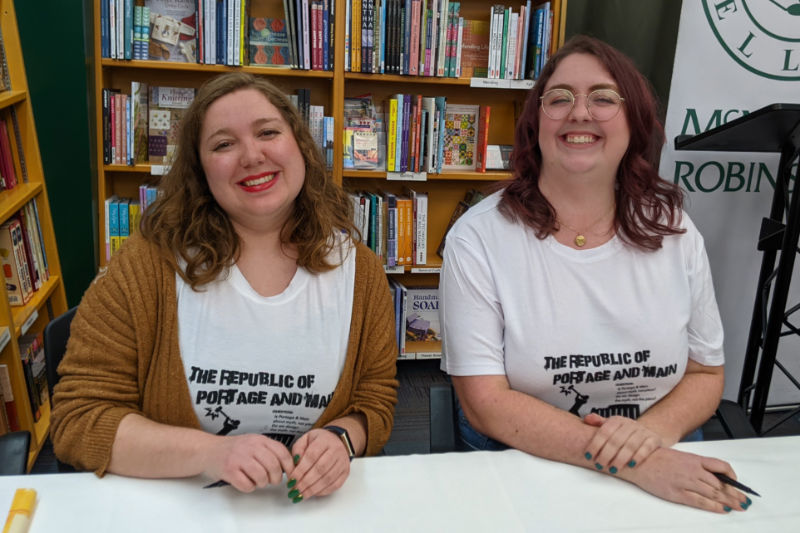
Historians Sabrina Janke and Alex Judge begin the Introduction to their book Portage and Main: How an Iconic Intersection Shaped Winnipeg’s History, Politics, and Urban Life by referencing that CBC broadcast statement. Published by Great Plains Press in 2025, the well-researched book relates the history of the intersection from the 1860s to present day in a readable, conversational style.
In the book, the intersection becomes a focal point to show how Winnipeg has evolved. As Janke and Judge talk about the events that have unfolded at this corner, they include the discussions and disagreements that occurred at the time, capturing the mood of the city. Controversy surrounded both the closing of the intersection and its re-opening. The authors cover that controversy and a number of others throughout history. Amusing and quirky stories speak to the spirit of the city. Read my more detailed review of the book here.
The intersection is not just at the heart of the city. It seems to be in the hearts of its residents. It evokes emotional connections. People have gathered here over the years, pedestrian ban or no pedestrian ban, to protest, to celebrate, and to mourn. Gatherings recounted in the book include demonstrations during the 1919 general strike, a celebration with a 64-foot-high cake sculpture for Winnipeg’s 75th birthday, the signing of Bobby Hull to the hockey team, Idle No More protests, people dressed in red and white forming a giant maple leaf for Canada’s 150th birthday, and drum circles to mourn victims of a serial killer.
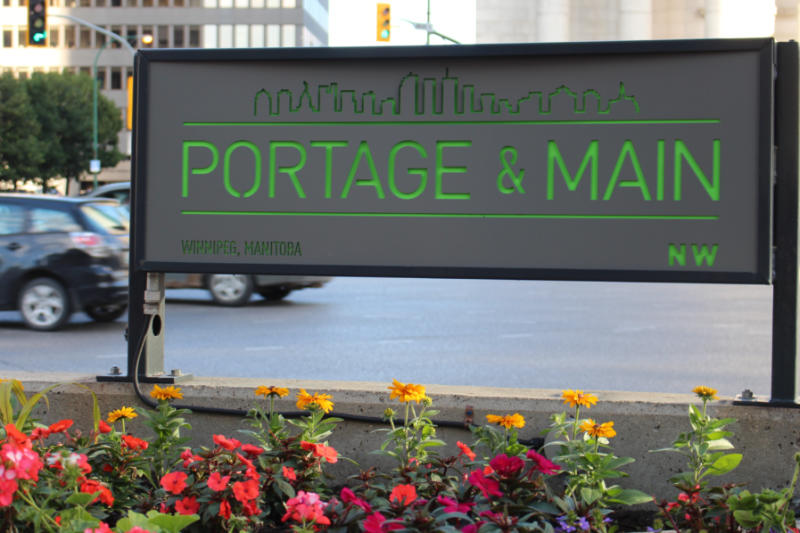
So, if you go to Portage and Main today, what will you find? Two wide, busy thoroughfares intersecting each other. Highrise office towers. Cars passing through. Maybe some pedestrians crossing. Nothing that appears to indicate this is anything other than another city intersection.
Yet, once you know some of the history, the intersection becomes imbued with significance. That history along with the fact that for many years you wouldn’t have been allowed to walk across the street, may make crossing that intersection feel like a momentous occasion.
Never miss a story. Sign up for Destinations Detours and Dreams free monthly e-newsletter and receive behind-the-scenes information and sneak peeks ahead.
PIN FOR LATER

The casual visitor would likely come upon this intersection now and think it’s not much to see. Ahh, but what they don’t know. Interesting story.
Ken, I think there are a lot of places we might come across that would being way more interesting once we knew more about their story and history.