

Sipiweske Museum In Wawanesa, Manitoba
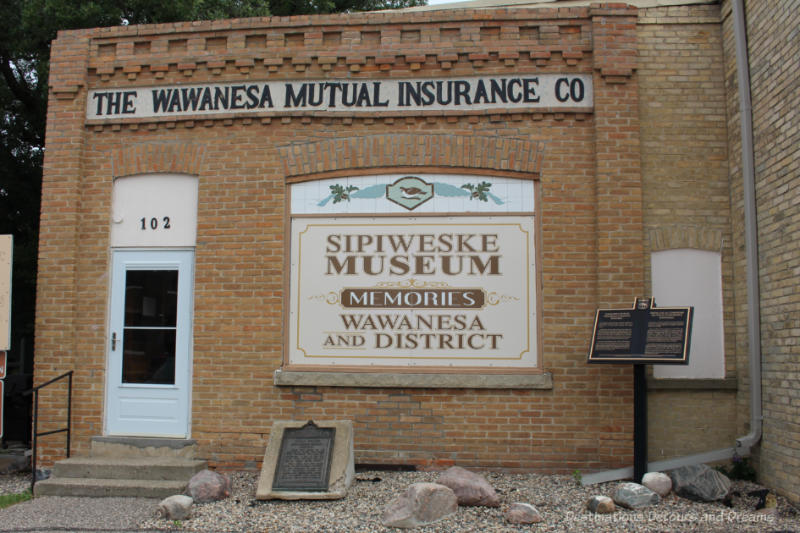
Museum in Wawanesa, Manitoba, Canada, housed in a former insurance company office, highlights area history and notable persons
Small town museums are great places to learn about the history and traditions of an area. They can also be full of unexpected treasures and interesting stories. Sipiweske Museum in Wawanesa, Manitoba, Canada is an example of that.
The village of Wawanesa is located in southwestern Manitoba. It is approximately 200 kilometres west of Manitoba’s capital city Winnipeg and 50 kilometres southeast of Winnipeg’s second-largest city Brandon. The Souris River runs through it. Largely an agricultural community, it is also the birthplace of Wawanesa Insurance, one of Canada’s largest property and casualty insurers.
Sipiweske Museum in the centre of the village contains displays that highlight history, pioneer life, notable residents, and the history of Wawanesa Insurance. The museum is open during the months of July and August from noon to 5 pm and by appointment the rest of the year.
The museum is located in the original Wawanesa Mutual Insurance Company building. It was constructed in 1901 with an addition added in 1907. The company still maintains its head office in Wawanesa in a building constructed across the street in 1930.
Sipiweske Historical Displays
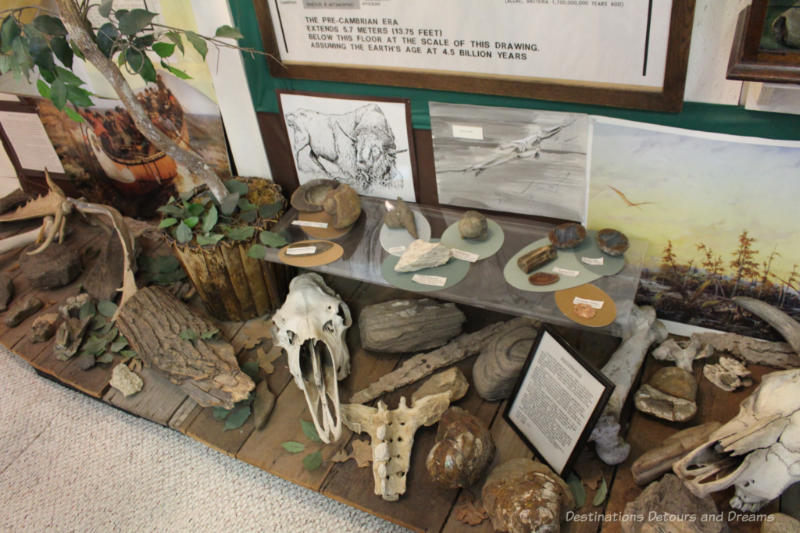
The time period of historical displays ranges from the pre-Cambrian era to the twentieth century.
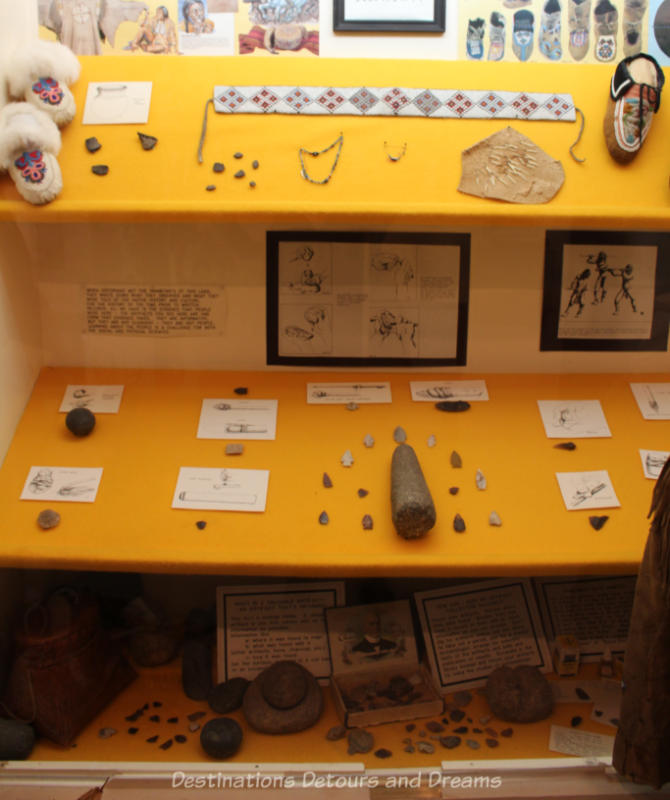
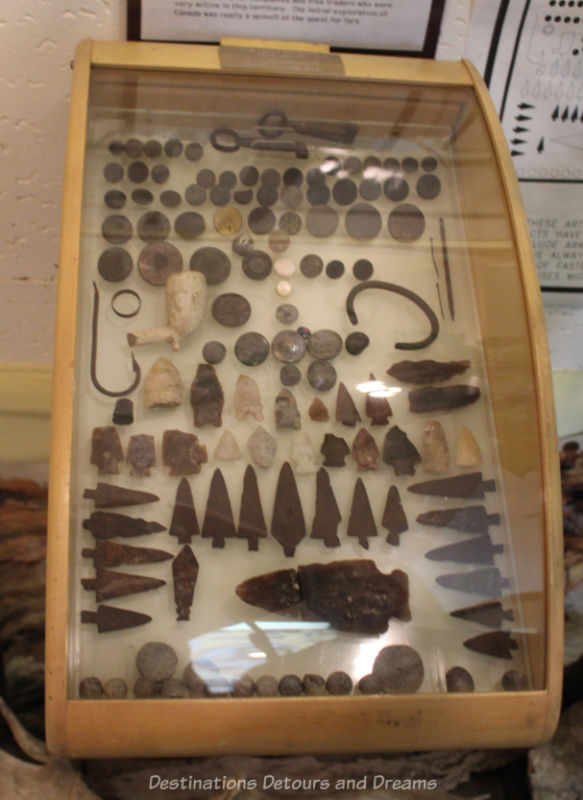
Wawanesa was originally called Sipiweske, which means “light through the trees” in Cree. The first people to inhabit the area were Indigenous, mainly Cree, Sioux, Blackfoot, and Lakota. Museum exhibits include Indigenous artifacts and tools.
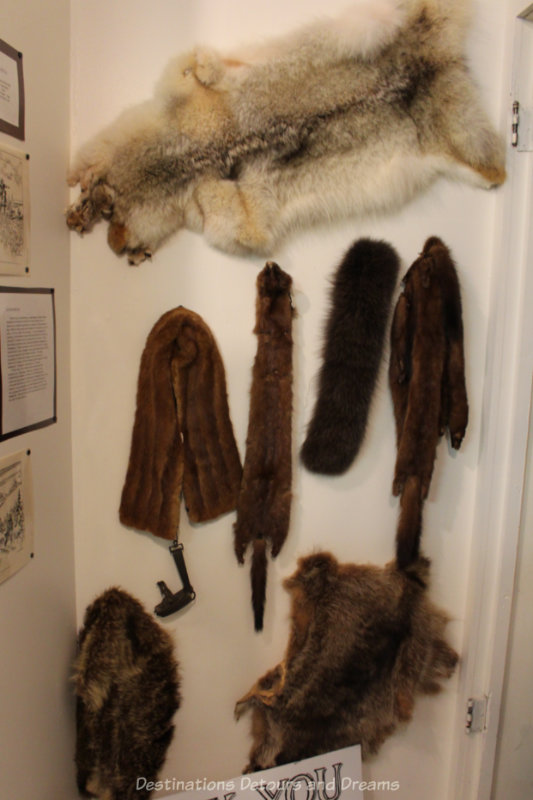
You’ll find information about fur trading posts along the Assiniboine River, a collection of cameras, clothing, information about the area’s history, and more.
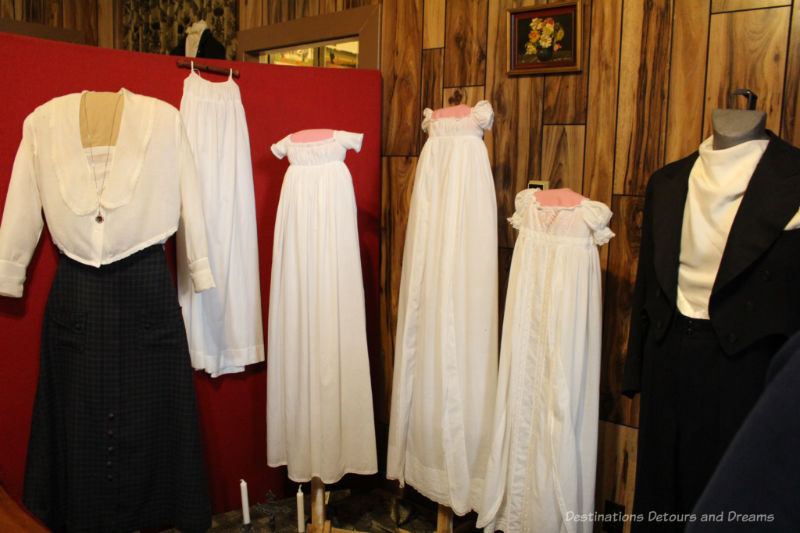
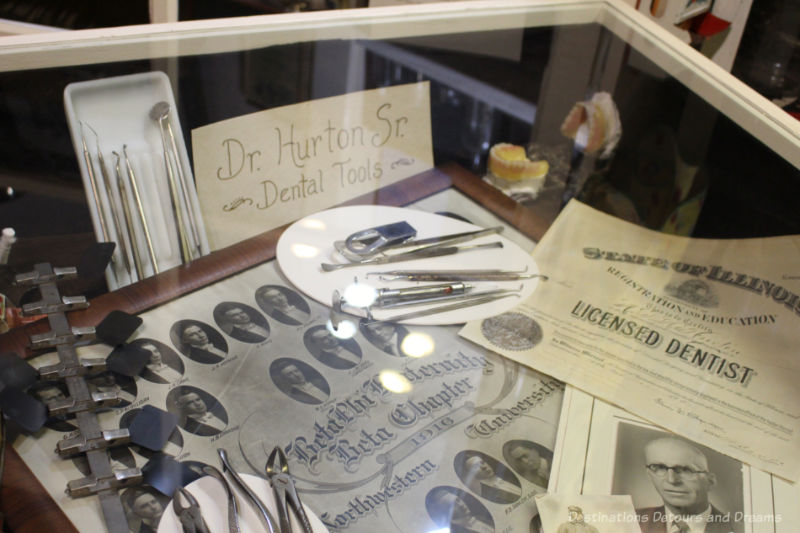
Sipiweske Museum Pioneer Life
Europeans first settled in the area in the late 1800s breaking the land for farms. In 1889 the first store was built. The name changed from Sipiweske to Wawanesa in 1890. in 1909, the village, which had become a flourishing rural community, was incorporated.
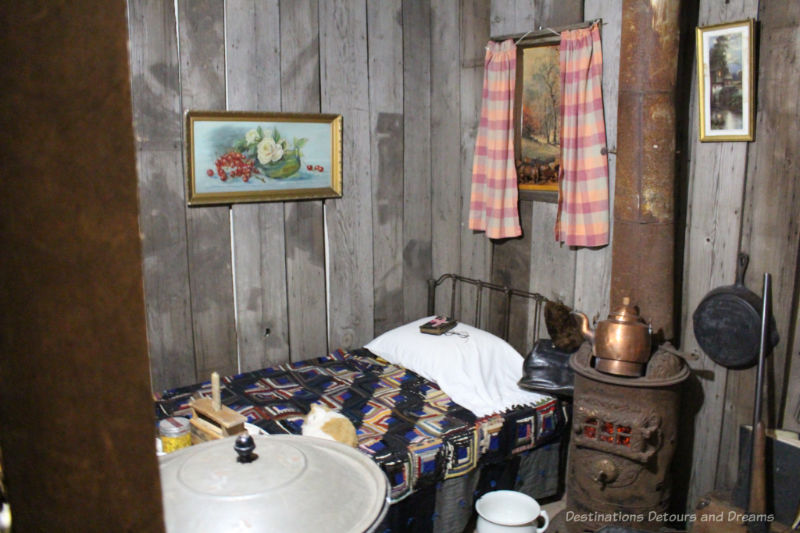
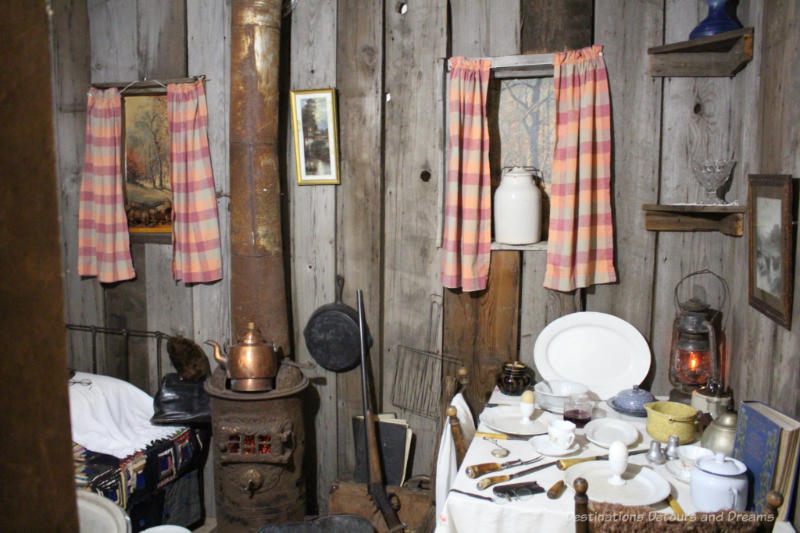
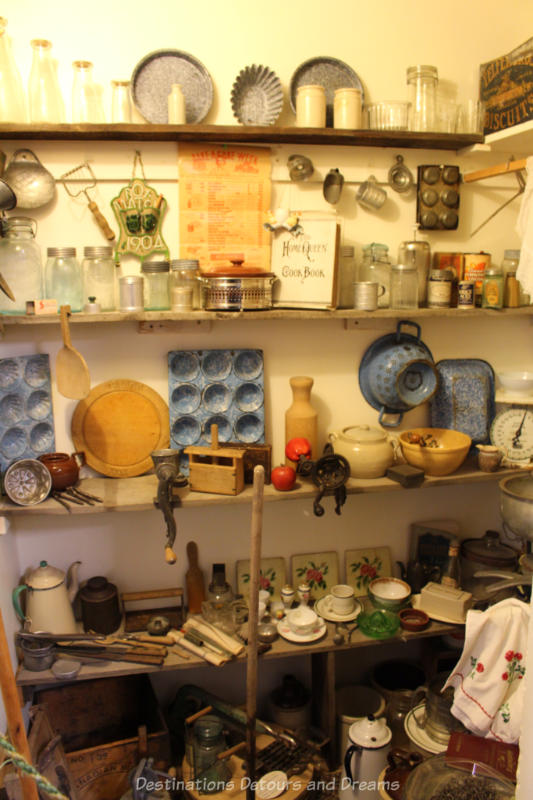
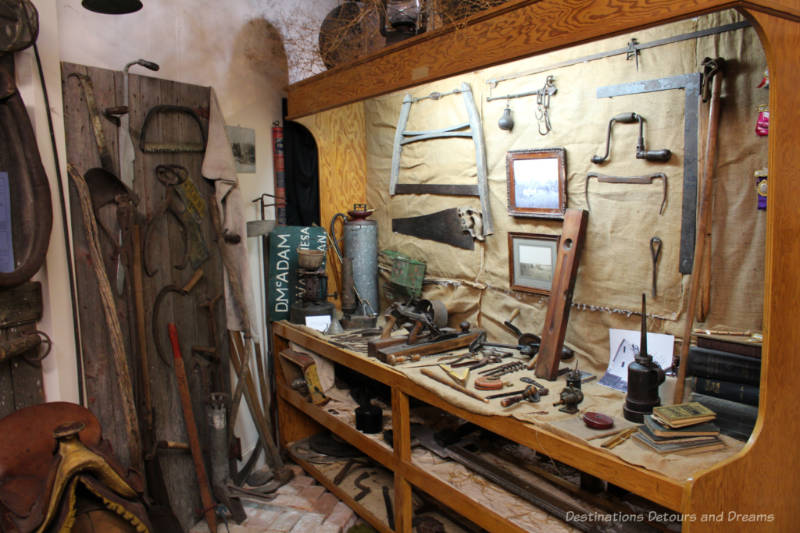
Pioneer life is depicted in various displays.
Sipiweske Museum Nellie McClung Display
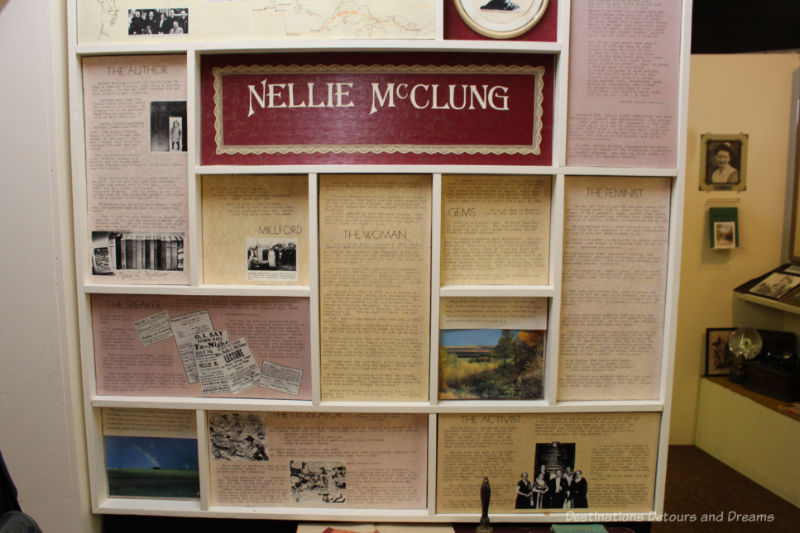
One room in the museum is dedicated to Nellie McClung, a suffragist, reformer, legislator, and author. Born in Ontario in 1873, she moved to Manitoba with her family when she was a child and grew up in the Souris Valley. She became a teacher and taught school until she married Robert Wesley McClung in 1896 in the Wawanesa Presbyterian Church. She and her husband lived for eleven years in the town of Manitou, where her husband was a pharmacist.
McClung became active in the suffragette movement and played a key role in Manitoban women getting the right to vote. In 1914, she and her family moved to Alberta where she continued her activism. She was one of The Famous Five (along with Irene Parlby, Henrietta Muir Edwards, Emily Murphy and Louise McKinney) who petitioned the Supreme Court for clarification of the term “persons” in the British North America Act, a term that had been used to exclude women from political office. The petition was successful and cleared the way for women to enter politics in Canada.
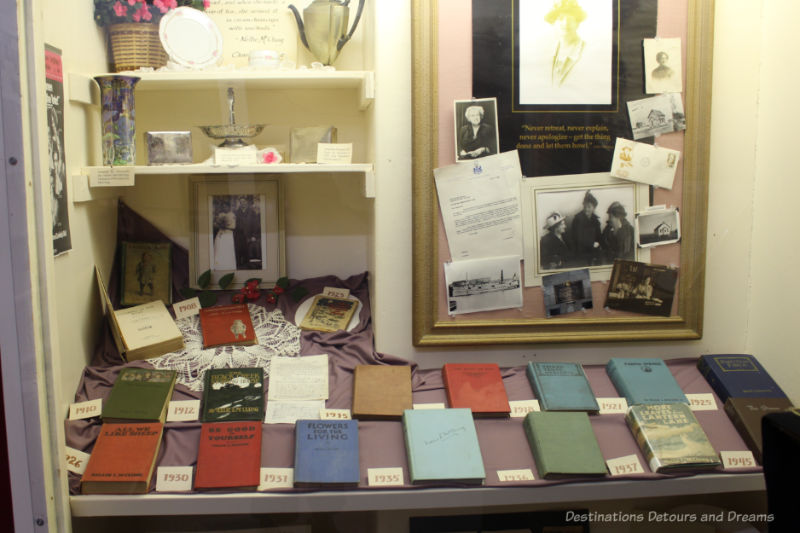
The room contains information about Nellie McClung and various artifacts relating to her life and work. If you wish to get a different look into McClung’s life, visit the Nellie McClung Heritage Site in Manitou, Manitoba, where you can tour two of the houses she once lived in.
Sipiweske Museum Criddle & Vane Legacy
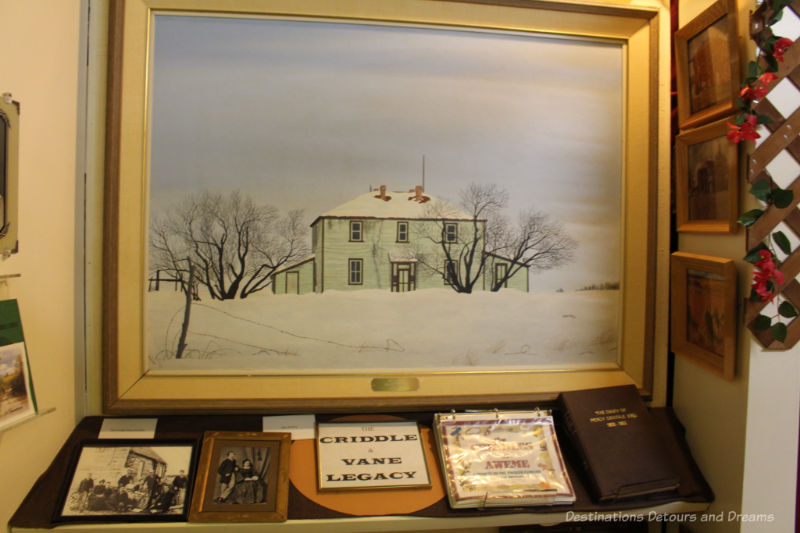
Another area of the museum features the Criddles and the Vanes, the families of one of the most unusual and eccentric pioneers to the area.
Percy Criddle, his wife Alice, and their children immigrated to Canada in 1882. On board the same ship, but in steerage class, was his first love Elsie and the five children he’d had with her. Percy met Elsie Harrer while he was studying in Germany. The two never married. Elsie moved to London after Percy returned to the UK. They had six children, one of whom died in infancy. Shortly after Elsie became pregnant with their last child, Percy married an Englishwoman, Alice Nicol. They had four children in the UK and would have another four in Canada.
When they came to Canada, they all settled on a farm north of Wawanesa. Elsie and her children took on the surname Vane. The Criddles claimed the woman living with them was a widow and they had taken her and her children in as servants.
Percy fancied himself a gentleman farmer, but he had no background or skills in farming. They struggled. He dabbled in sport, astronomy, law, medicine, and music. One of the first things he did after seeding his first crop was build a tennis court. His children got down on their hands and knees to cut each blade of grass. The Criddles became well-known for the concerts, dinners, and sporting events they hosted.
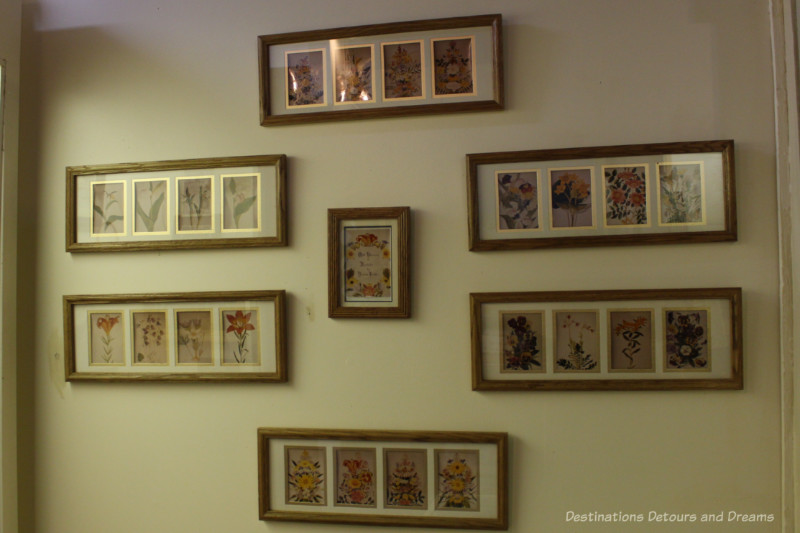
Much of the family’s fame came from his children’s accomplishments. Norman, the eldest Criddle, was known for his lifelike drawings of flowers and insects. He conducted extensive research in the entomological field, especially of grasshoppers. In 1902, he produced the “Criddle Mixture,” a poison mixture that would be used by farmers for many years to combat grasshoppers. Stuart Criddle was an active gardener who developed an officially recognized strain of lily. Evelyn Criddle collected insects and worked as a weed inspector for the province.
In 1884 Percy began recording the weather. He sent one copy to Ottawa for the meteorological record and kept the second copy, adding notes about wildlife, bird migration, and other observations. Later son Norman and daughter Maida took the readings at 9 am daily and kept meticulous records until 1960. Maida received a plaque from the Canadian Meteorological Service for the third longest weather record kept by any one Canadian family.
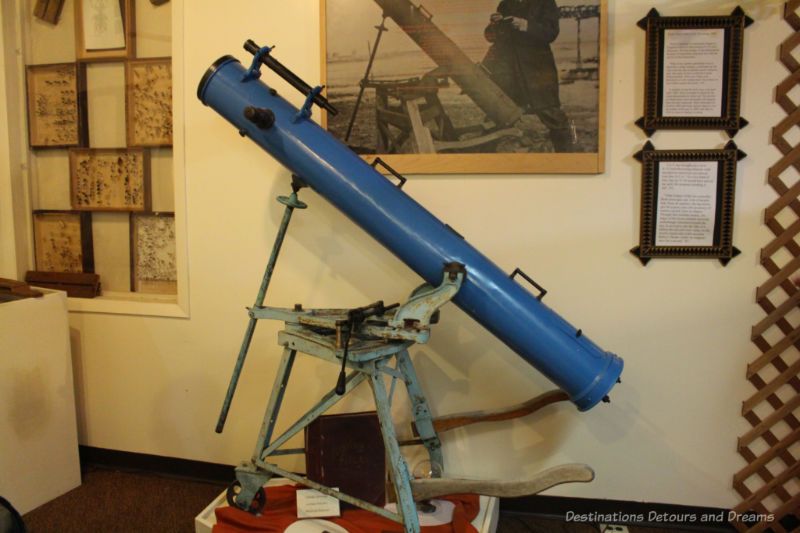
Percy Criddle died in 1918. Family members stayed at the homestead until 1960. In 1970, the province acquired the property. It became a provincial park in 2004. In 2014, the main residence building was destroyed in a suspected arson fire. The Criddle / Vane Homestead Provincial Park has two hiking trails that take you past the former Criddle home, the remaining structure of the first entomological field station in western Canada, a cemetery, old foundations, and the remains of original landscape features such as the family tennis courts and a golf course.
Two books have been published about the family. In 1973, Alma Criddle, granddaughter of Percy and Alice Criddle, published Criddle-de-Diddle-Ensis based on Percy’s diaries and stories handed down in the family. In 2012, Oriole A. Vane Veldhuis, granddaughter of Percy Criddle and Elsie Harrer, published For Elise: Unveiling the Forgotten Woman on the Criddle Homestead. I have not read either book, but according to articles about them, they paint wildly different pictures of Percy Criddle and the two families.
Sipiweske Museum Wawanesa Mutual Insurance Co History
Exhibits in the museum tell the story of the Wawanesa Mutal Insurance Company. The company was founded in 1896 by Alonzo Fowler Kempton and Charles Kerr to help struggling farmers. Twenty farmers invested $20 each to start the company. The first policy issued insured a thresher for $600 at a premium of $24 for three years.
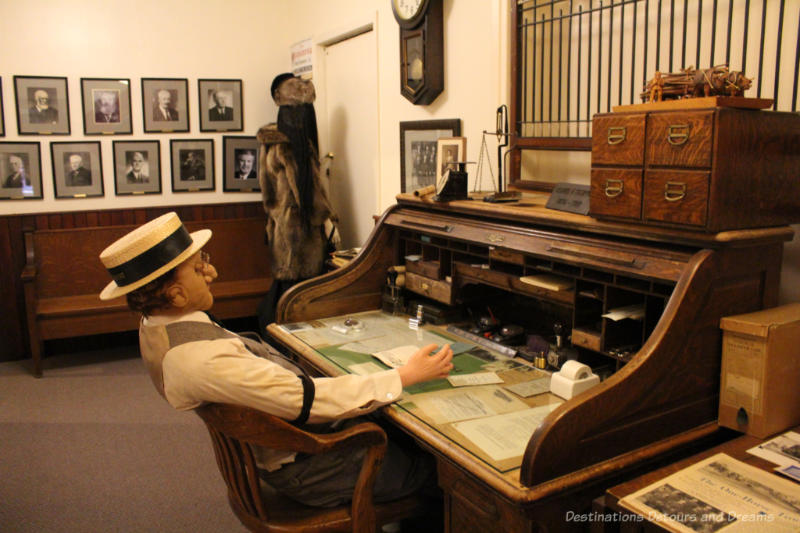
Museum displays include a number of artifacts from the company over the years (typewriters and adding machines, for example), information on the history, and photographs of all the presidents.
Sipiweske Museum, on 4th Street, is open during the months of July and August from noon to 5 pm and by appointment the rest of the year. The designated provincial heritage building St. John the Divine Anglican Church, which was originally built in the town of Rounthwaite in 1882, is located next door to the museum building and part of the museum property.
Other things to see in Wawanesa include a war memorial commemorating local soldiers, situated near the museum at the end of 4th Street (at Cliff Street). A monument in Heritage Park on the corner of 7th Street and Crescent Avenue commemorates Alonzo Fowler Kempton, founder of Wawanesa Insurance, and suffragist Nellie McClung. Wawanesa Community Park, located along the Souris River three blocks from downtown, contains picnic areas, open spaces and several camping sites.
Never miss a story. Sign up for Destinations Detours and Dreams free monthly e-newsletter and receive behind-the-scenes information and sneak peeks ahead.
PIN IT
Small museums like that tend to be so crowded with stuff that you miss half of it. I thought the most interesting thing you showed us was the stories of some of the people who lived there. What were Nellie McClung’s books like? Was she writing about women’s rights? Current events? Novels?
Ken, I know what you mean about some small museums being so crowded it’s hard to see the stuff, particularly if it isn’t well organized. This one had a lot in it, but it was organized in a manner that made it easier to take in. The stories of the people were definitely the part I found most interesting. Nellie McClung’s writing ranged from fiction (the first of her 16 books was a witty portrayal of a small town), non-fiction and magazine articles (topics include gambling, women’s suffrage, prohibition, marriage, balancing a career and family, women’s role in the church and justice), short stories, poetry, and memoir.